China's Brand Revolution: From Factory to Global Market Power

For decades, China was known as the world’s factory, a place where products were made quickly, efficiently, and cheaply. Western markets saw China mainly as a source of low-cost goods, often manufactured under other companies’ brands. That image no longer fits the reality. Today, China is not just exporting products; it is exporting its own brands, reshaping global markets and consumer perceptions.
This transformation is about more than just volume. Chinese companies are moving beyond original equipment manufacturing (OEM) and cost leadership. They are investing in technology, design, and building ecosystems that connect products, services, and consumers. This shift is happening across multiple cities, each nurturing its own cluster of influential brands.
Regional Clusters Driving Brand Growth
China’s brand revolution is not centered in one place. Instead, it is spread across several key cities, each producing brands that have gained global recognition or are rapidly expanding overseas.
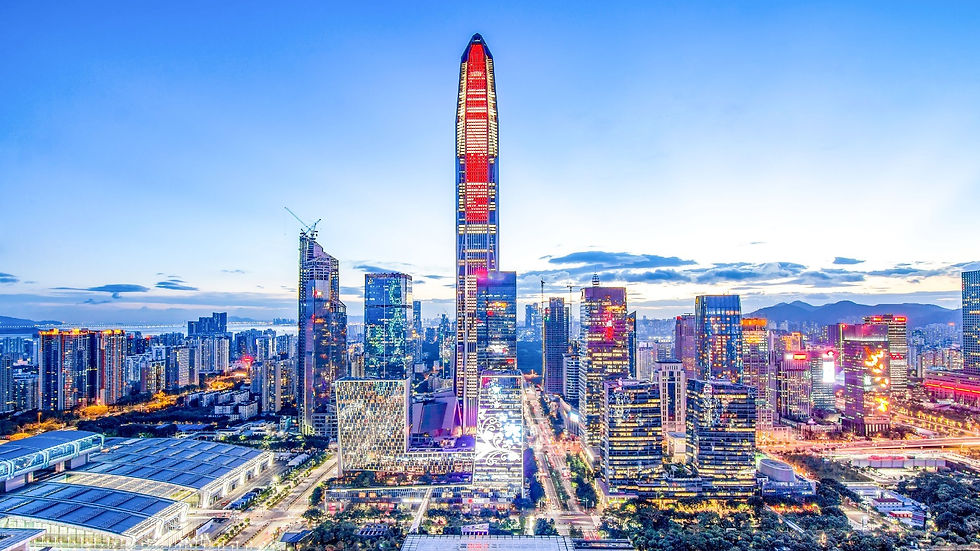
Shenzhen is home to giants like Huawei, Tencent, and BYD. These companies have grown from local startups into global players in telecommunications, technology, and electric vehicles.
Hangzhou hosts Alibaba, a leader in e-commerce and cloud computing, which has built a vast ecosystem connecting millions of consumers and businesses worldwide.
Beijing is the base for Lenovo, a brand known globally for its computers and electronics.
Qingdao produces Haier and Hisense, brands that have become household names in home appliances and consumer electronics.
Taizhou is the birthplace of Geely, a car manufacturer that owns Volvo and has expanded aggressively into international markets.
These cities did not just build factories; they created ecosystems that support innovation, design, and consumer engagement.
Two Groups of Chinese Brands on the Global Stage
Chinese brands abroad fall into two main groups:
The first group includes brands already well-known internationally. Lenovo, Haier, Hisense, Huawei, and BYD have established strong global footprints. For example, Huawei is a major player in global telecommunications infrastructure and smartphones, while BYD is a leading electric vehicle manufacturer competing in markets from Europe to the Americas.
The second group consists of brands pushing harder into Western markets. Companies like Changan (automobiles), Pop Mart (collectible toys), CHAGEE (tea beverages), and Xiaomi (consumer electronics) are testing their ability to build long-term consumer loyalty beyond price competition. Xiaomi, for instance, has gained significant market share in smartphones and smart home devices by combining quality with affordable pricing and strong brand messaging.
This second group represents the next wave of Chinese brands aiming to compete on design, innovation, and consumer experience.
What This Means for Global Markets
China’s shift from product exporter to brand exporter changes how global markets operate:
Consumer recognition matters more. Chinese brands are no longer anonymous manufacturers. They want to be known and trusted by consumers worldwide.
Ecosystem control is key. Companies like Alibaba and Tencent have built platforms that connect users, services, and products, creating sticky consumer experiences.
Design and technology drive value. Brands invest heavily in R&D and design to differentiate themselves, moving away from competing solely on price.
Retail formats and operating models are exported. Chinese companies bring new ways of selling and engaging customers, such as innovative e-commerce platforms and integrated digital services.
This evolution challenges Western companies to rethink their assumptions about Chinese competition.
Examples of Chinese Brands Making an Impact
Huawei has become a global leader in 5G technology and smartphones, despite facing political challenges in some countries.
BYD is among the top electric vehicle manufacturers worldwide, with growing sales in Europe and the US.
Lenovo ranks as one of the largest PC makers globally, known for quality and innovation.
Pop Mart has created a global following for its designer collectible toys, blending culture and commerce.
Xiaomi combines smart devices with an ecosystem approach, offering everything from phones to smart home gadgets.
These brands show that Chinese companies can build global recognition and consumer loyalty.
What to Watch Next
The rise of Chinese brands is not a passing trend. It signals a fundamental change in global trade and consumer markets. Companies from China are no longer just suppliers; they are creators of value, culture, and innovation.
For consumers, this means more choices and competitive products that combine quality with affordability. For businesses, it means facing new competitors who understand how to build brands that resonate globally.
The key takeaway is clear: China’s role in the global economy is evolving. It is no longer just the factory of the world. It is becoming a source of powerful brands that shape markets and consumer habits everywhere.

Comments